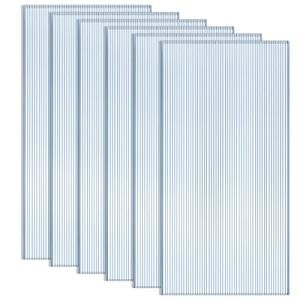
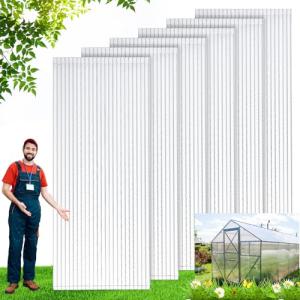

What Are Polycarbonate Greenhouse Panels?
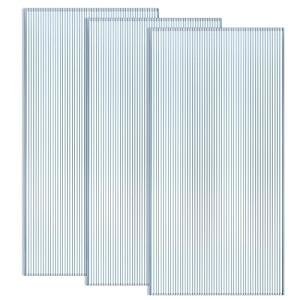
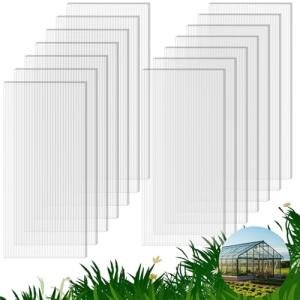
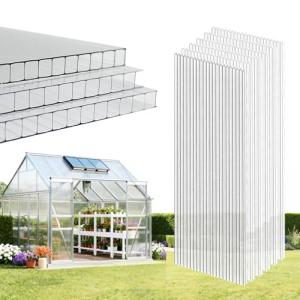
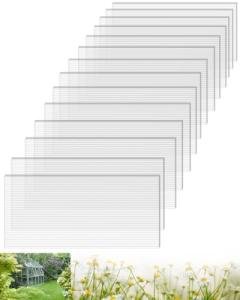
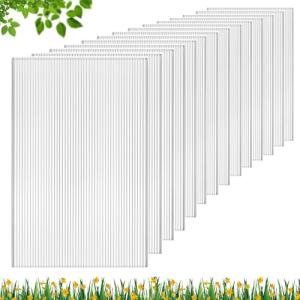
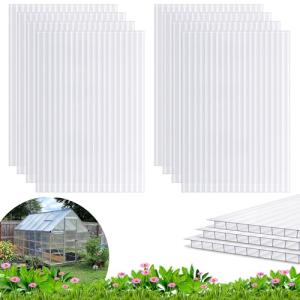
Polycarbonate is a lightweight thermoplastic polymer known for being virtually unbreakable and highly transparent to light. Greenhouse panels made from polycarbonate come in two main configurations: twin-wall (two layers with hollow channels running between them) and multi-wall (three or more layers for even greater insulation). Single-layer solid polycarbonate sheets are also available for applications where clarity and strength take priority over insulation.
Unlike glass, polycarbonate doesn't shatter on impact. It flexes, absorbs, and bounces back — which is exactly what you want in a greenhouse that has to survive hail storms in Kansas, heavy snow loads in Vermont, or high winds along the Gulf Coast.
Why Growers Choose Polycarbonate Over Glass
Glass has been used in greenhouses for centuries, and it still has its place. But polycarbonate panels outperform glass in several key areas that matter to modern growers.
Durability and impact resistance are the most obvious advantages. Polycarbonate is roughly 200 times stronger than glass by impact resistance. A stray baseball, a tree branch, or a serious hailstorm won't crack or shatter a polycarbonate panel the way it would a glass pane. For anyone who has replaced broken glass panels after a bad storm, this alone is worth the upgrade.
Light diffusion is another major benefit. While glass transmits light in a direct, focused way, polycarbonate panels — especially twin-wall and multi-wall variants — scatter incoming sunlight more evenly throughout the interior. This diffused light reaches more of each plant's leaf surface, reducing hot spots and shadow zones. The result is more consistent plant growth across the entire growing area.
Thermal performance is where polycarbonate really pulls ahead. The hollow channels in twin-wall and multi-wall panels trap air, which acts as insulation. A standard 6mm twin-wall polycarbonate panel has an R-value of roughly 1.5 to 2.0, while 16mm or 25mm multi-wall panels can approach R-values of 3.5 or higher. That insulation translates directly into lower heating bills during cold months — a real financial benefit for year-round growers in colder U.S. climates.
Weight is also a practical consideration. Polycarbonate panels weigh significantly less than comparable glass panels. This makes installation easier, reduces the structural load on your greenhouse frame, and lowers shipping costs when ordering panels online or from a local supplier.
Types of Polycarbonate Greenhouse Panels
Understanding the different panel types helps you choose the right product for your specific application.
Twin-Wall Polycarbonate Panels (Double-Wall)
Twin-wall panels are the most popular choice for residential and small commercial greenhouses across the U.S. They consist of two parallel sheets connected by vertical ribs, creating a series of hollow channels. Common thicknesses are 4mm, 6mm, and 8mm. The 6mm option is the sweet spot for most hobby and semi-commercial growers — it provides solid insulation, good light transmission, and reasonable cost per square foot.
These panels are ideal for greenhouse walls and roof sections where you want a balance of light and warmth without breaking the budget.
Multi-Wall Polycarbonate Panels (Triple-Wall and Beyond)
Multi-wall panels add more layers and internal channels, significantly boosting insulation values. Triple-wall (10mm, 16mm) and five-wall panels (25mm, 32mm, 35mm) are popular in northern states where winter heating costs are a serious concern. The more walls, the higher the R-value — and the more you'll save on heat over a growing season.
These panels are commonly used in commercial greenhouses, cold-climate hobby greenhouses, and any structure where year-round growing is the goal.
Corrugated Polycarbonate Panels
Corrugated polycarbonate panels follow the same wave profile as traditional corrugated metal or fiberglass roofing. They're a single-layer product, which means lower insulation value but excellent clarity and affordability. Many gardeners use corrugated polycarbonate for cold frames, lean-to greenhouses, and smaller growing structures where budget matters more than thermal performance.
Solid Polycarbonate Sheets
Solid (monolithic) polycarbonate sheets offer the highest optical clarity of any polycarbonate format. These are used when visibility is a top priority — for example, in display greenhouses, botanical exhibits, or specialty growing structures. They're heavier than twin-wall panels, offer less insulation, but provide a glass-like appearance without the fragility.
Key Features to Look for When Buying Polycarbonate Greenhouse Panels
Not all polycarbonate panels are created equal. These are the features that separate a high-quality panel from a cheap imitation.
UV Protection Coating
This is non-negotiable. Quality polycarbonate panels have a UV-resistant coating applied to one or both surfaces during manufacturing. Without this coating, polycarbonate yellows and becomes brittle under prolonged sun exposure — usually within just a few years. Look for panels that specify UV protection on the outer surface, and check the warranty. Reputable manufacturers typically offer 10-year warranties against yellowing and loss of light transmission.
Light Transmission Rate
For plant growth, the percentage of visible light that passes through the panel matters enormously. High-quality 6mm twin-wall panels typically transmit 80–83% of visible light. Multi-wall panels transmit slightly less due to additional material layers. If you're growing light-hungry crops like tomatoes, peppers, or orchids, choose the thinnest panel that still meets your insulation requirements.
Impact and Weather Ratings
For U.S. buyers, it's worth checking whether a panel meets IBC (International Building Code) or local building requirements for impact resistance and snow load. Many manufacturers publish load ratings for their panels — pay attention to these if you live in a region with heavy snow or frequent storms.
Panel Width and Length Options
Standard U.S. panel widths are typically 24", 48", or 72" wide, with lengths ranging from 8 feet to 24 feet or more. Custom sizes are available from some manufacturers. Make sure the panel dimensions align with your greenhouse frame's spacing before ordering.
How Polycarbonate Panels Perform in Different U.S. Climates
The United States spans a remarkable range of climates, and the right polycarbonate panel for a greenhouse in Minnesota looks different from the right choice for a greenhouse in Arizona.
Cold climates (USDA Zones 3–5): In states like Michigan, Wisconsin, Minnesota, and the northern Rockies, insulation is the top priority. Triple-wall or five-wall panels with thicknesses of 16mm to 25mm are well worth the investment for year-round growing. The energy savings from reduced heating costs will offset the higher upfront panel cost within a few seasons.
Temperate climates (Zones 6–8): Much of the continental U.S. falls here — the Mid-Atlantic, Pacific Northwest, parts of the Midwest, and most of the Southeast. Twin-wall 6mm or 8mm panels are the standard choice. They provide enough insulation to extend the growing season by several months while keeping costs reasonable.
Hot climates (Zones 9–11): In states like Florida, Texas, Arizona, and Southern California, heat management matters more than cold protection. Consider panels with a light-diffusing or bronze-tinted finish that reduces solar heat gain. Some growers in these regions opt for corrugated polycarbonate with shade cloth rather than insulated multi-wall panels.
Installation Tips for Polycarbonate Greenhouse Panels
Getting the installation right protects your investment and ensures panels perform as advertised.
Always install twin-wall and multi-wall panels with the channels running vertically, not horizontally. This allows condensation that forms inside the channels to drain downward and exit through the bottom edges rather than pooling inside the panel where it can encourage algae growth and reduce light transmission.
Seal the top edges of panels with solid polycarbonate closure tape to prevent dust, insects, and moisture from entering the channels. Use a ventilated U-channel or perforated tape on the bottom edges to allow drainage while still keeping pests out.
Leave a small expansion gap at panel edges when fastening — polycarbonate expands and contracts with temperature changes. A 1/8" gap per linear foot is a common recommendation. Failure to account for thermal expansion can cause panels to buckle or pull fasteners loose over time.
Pre-drill holes slightly larger than the fastener diameter for the same reason. Use roofing screws with neoprene washers rather than standard wood screws to create a watertight seal without cracking the panel surface.
Polycarbonate Panels vs. Other Greenhouse Glazing Materials
It's worth briefly putting polycarbonate in context alongside other glazing materials you might encounter.
Compared to glass: Polycarbonate is lighter, safer, and far more impact-resistant. Glass offers slightly higher clarity and will never yellow, but it is significantly heavier, more expensive to ship, and can shatter dangerously. For most residential and small commercial greenhouses, polycarbonate is the practical choice.
Compared to single-layer polyethylene film: Polyethylene greenhouse film is the cheapest option and is widely used in commercial hoop houses. It has low R-values and typically needs to be replaced every 3–4 years. Polycarbonate panels are a significant step up in both longevity and insulation performance, making them better suited for permanent structures.
Compared to fiberglass panels: Older fiberglass greenhouse panels yellow quickly, trap dust in their surface, and lose light transmission rapidly. Modern polycarbonate panels with UV coatings are simply a better product in almost every measurable way.
Frequently Asked Questions
How long do polycarbonate greenhouse panels last? With proper UV protection coatings and correct installation, quality polycarbonate panels typically last 10–20 years. Many manufacturers back this up with warranties of 10 years or more against yellowing, delamination, and significant loss of light transmission.
Can polycarbonate panels be cut to size on-site? Yes. Polycarbonate panels can be cut with a circular saw equipped with a fine-tooth carbide blade, a jigsaw, or even a sharp utility knife for thinner corrugated sheets. Cut edges should be sealed with appropriate tape or U-channel profiles after cutting.
Do polycarbonate panels require cleaning? Routine cleaning with mild soap and water using a soft cloth or sponge is recommended once or twice per year. Avoid abrasive cleaners, steel wool, or solvent-based cleaners, which can damage the UV coating or scratch the panel surface.
Are polycarbonate greenhouse panels recyclable? Polycarbonate is technically recyclable, though local recycling programs vary. Some manufacturers offer take-back programs. At end of life, panels are typically disposed of in general waste unless a specialized recycling stream is available.